
Remember when waiting two whole days for a company to get back to you felt normal? Yeah, not right? not anymore.
Back in the day, a 48-hour response window was standard, maybe even a little speedy. But that’s ancient history now. In 2026, customers aren’t just expecting quick answers; they’re demanding them. The speed of service has become a make-or-break factor for businesses.
Think about it. We’ve all gotten used to instant gratification in so many parts of our lives, thanks to technology. Why should customer support be any different? Companies are pouring billions into AI, and a big chunk of that is going straight into making customer interactions smoother and faster. It’s not just about having a chatbot anymore; it’s about AI that can actually understand what you need and fix it, right then and there.
This shift isn’t just a nice-to-have; it’s a necessity. Businesses that are still stuck in the slow lane are finding that customers just… leave. They’re not waiting around for a reply that might come eventually. They’re going to the competitor who can sort them out immediately.
Here’s a quick look at how things have changed:
- What Customers Want Now: Most people (around 90%) expect a response almost instantly, especially for simple queries. We’re talking minutes, not days.
- Speed Equals Loyalty: The faster a company resolves an issue, the more likely a customer is to stick around and spend more money over time. It’s a direct link.
- AI is the Engine: From answering emails in seconds to summarizing calls so agents know what’s up before they even speak to you, AI is handling the heavy lifting.
The pace of technological advancement means that what was cutting-edge yesterday is standard today. Customer expectations have caught up, and in many cases, have surpassed what traditional support models can offer. Businesses that fail to adapt will find themselves outpaced.
So, if you’re still operating with a ‘we’ll get back to you’ mindset from a decade ago, it’s time for a serious update. The future of customer support is here, and it’s all about speed, efficiency, and AI.
The new customer expectation: why “we’ll get back to you within 48 hours” is now a conversion killer
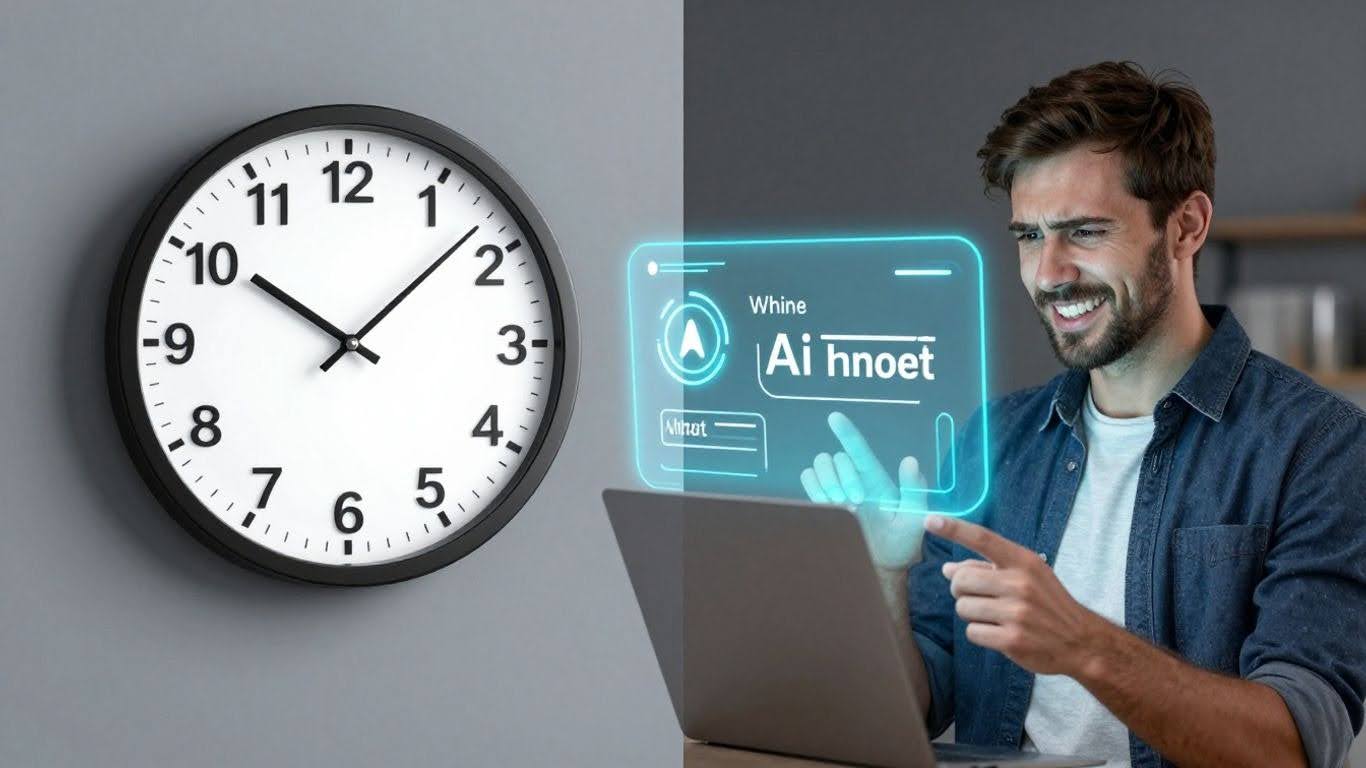
Remember the days when waiting two whole days for a business to reply to your email or social media message felt normal. It feels like just yesterday that a 48-hour response window was the industry standard, maybe even a little impressive.
But in 2026, that kind of delay isn’t just slow; it’s a straight-up deal-breaker. Customers today, armed with instant communication tools and a growing impatience for anything less, see that “we’ll get back to you” message as a sign that a company isn’t really ready for them.
What 90% of customers now expect when they contact a business (and how fast)
It turns out, most people (around 90%, according to recent surveys) expect a response almost immediately. We’re talking minutes, not days. Think about it: if you can get an answer from a friend across the country in seconds via text, why should a business you want to give money to take 48 hours? This expectation spans across all channels – whether it’s a live chat on a website, a direct message on social media, or even an email.
Here’s a quick look at what’s become the norm:
- Live Chat: Instantaneous, or within 1-2 minutes.
- Social Media DMs: Within 15-30 minutes.
- Email Support: Within a few hours, ideally less than one.
- Phone Calls: Immediate connection or a very short wait time.
Anything outside these windows starts to feel like a hassle, and frankly, a bit of a red flag. It suggests the business is either understaffed, disorganized, or just doesn’t prioritize customer interaction.
The direct link between response time and customer lifetime value
This isn’t just about making a single sale; it’s about building a relationship. When a customer reaches out, they’re often looking for help, information, or a solution to a problem. A quick, helpful response shows them you value their time and their business. This positive first impression is huge.
A prompt response doesn’t just solve an immediate issue; it builds trust and loyalty. This initial positive interaction can significantly influence a customer’s decision to make repeat purchases and recommend your brand to others, directly impacting their long-term value to your business.
Companies that consistently meet or beat these new speed expectations are seeing customers stick around longer, spend more over time, and become brand advocates. On the flip side, those stuck in the old 48-hour mindset are not only losing potential sales in the moment but are also missing out on the substantial revenue that comes from loyal, long-term customers. It’s a simple equation: faster response equals happier customers, and happier customers equal more money in the long run.
How AI handles customer support inquiries instantly — across every channel
Remember when waiting a day or two for a simple question felt normal? Those days are fading fast. Today’s AI isn’t just about chatbots answering FAQs; it’s about systems that can actually do things, instantly, across all the ways customers reach out. Think about it: your customers are using different apps, sending emails, and sometimes still picking up the phone. AI is stepping in to manage all of it, making sure no one is left hanging.
AI chat: engaging and resolving issues before a support ticket is even created
This is where a lot of the magic happens before you even know there’s a problem. AI-powered chat tools can now handle complex conversations. They don’t just give canned answers; they can understand context, ask clarifying questions, and even guide users through troubleshooting steps. For many common issues, like checking an order status or updating account details, the AI can resolve it completely. This means a support ticket is never even opened, saving everyone time and hassle. It’s like having a super-efficient front desk that sorts everything out on the spot.
AI email: categorising, prioritising, and replying to support emails automatically
Email used to be a black hole for support teams. Now, AI can read incoming emails, figure out what they’re about, and decide how urgent they are. Is it a billing question? A technical problem? A simple request? The AI sorts it. It can then automatically draft a reply for common issues or route more complex ones to the right person on your team. This keeps things moving, stops emails from getting lost, and makes sure the most important messages get attention first. It’s about turning a slow, manual process into an automated, intelligent workflow.
AI call summaries: giving your support team context before they even pick up the phone
Phone calls are still a big part of customer support, and AI is making them better too. When a call comes in, AI can quickly summarize previous interactions, pull up relevant account information, and even identify the likely reason for the call based on the customer’s history. So, when your support agent picks up, they’re not starting from scratch. They have a clear picture of what’s going on, allowing them to jump straight into solving the problem. This makes the customer feel heard and understood right away, and it makes your agents much more effective.
The goal here isn’t to replace human agents entirely, but to give them superpowers. By handling the routine and providing instant context, AI lets your human team focus on the really tricky, high-stakes conversations where empathy and complex problem-solving are key. It’s a partnership that speeds things up for everyone.
What AI-powered support actually costs vs. what slow support is already costing you
Okay, so we’ve talked about how fast AI can be, but let’s get real about the money side of things. It’s easy to look at the price tag of new AI tools and get a little sticker shock. But here’s the thing: not having that AI is costing businesses a whole lot more than people realize. We’re talking about lost sales, frustrated customers who walk away, and a general drag on your company’s reputation.
How to Calculate the Revenue Impact of Your Current Average Response Time
Think about it like this: every minute a customer waits for a reply is a minute they could be spending their money elsewhere. We need to put a number on that.
- Lost Sales Opportunities: If a customer has a question about a product and doesn’t get an answer quickly, they’re likely to just click away and buy from someone who does respond. We’ve seen studies suggesting that a significant chunk of potential sales are lost simply due to slow follow-up.
- Decreased Customer Lifetime Value: A customer who has a bad support experience, especially with long wait times, is far less likely to come back. They might buy once, but they won’t become a loyal, repeat customer. This directly impacts how much money you make from that customer over the years.
- Increased Churn Rate: When people feel ignored or unimportant because their issues aren’t addressed promptly, they leave. It’s that simple. High churn means you’re constantly having to find new customers, which is way more expensive than keeping the ones you have.
The real cost isn’t just the price of the AI software; it’s the accumulated loss from every single customer interaction that goes unanswered or is handled too slowly. This adds up to billions lost annually across industries.
The ROI Calculation for AI Customer Support: A Practical Framework
So, how do you figure out if AI is actually worth it? It’s not just about looking at the upfront cost. You need to compare it to what you’re losing right now.
Here’s a basic way to think about it:
- Calculate Current Support Costs: Add up salaries, software, training, and overhead for your human support team. Also, estimate the cost of lost sales and churn due to slow responses.
- Estimate AI Implementation Costs: This includes the software, any setup fees, and training your team to work alongside the AI.
- Project AI Savings and Gains: Figure out how much time AI will save your human agents, how many more sales you might make because of faster responses, and how much churn you could reduce.
When you lay it out like this, it becomes pretty clear that investing in AI isn’t just an expense; it’s a move to stop bleeding money and start seeing real returns. The technology is here, and frankly, the cost of not using it is becoming too high to ignore.
Scaling support without scaling headcount — the AI advantage for growing businesses

As your business picks up steam, the last thing you want is for customer support to become a bottleneck. You know, the kind where you have to hire a whole new team just to keep up with questions. That’s where AI really shines. It lets you handle way more customers without needing to proportionally increase your staff. Think of it as building a support system that can stretch and shrink as needed, keeping things running smoothly even when things get crazy busy.
How AI handles volume spikes without dropping quality or speed
Remember the old days? When a big sale or a product launch meant everyone scrambling, and customers were stuck on hold forever? AI changes that game. It’s not just about answering simple questions anymore; AI can now manage a lot of back-and-forth, even some trickier stuff, before a human even needs to step in. This means fewer people waiting, and your existing team can focus on the really complex issues that need a human touch.
- AI handles the bulk: Modern AI can take on a huge chunk of customer interactions, often resolving them completely. This frees up your human agents to deal with unique problems or situations that require real judgment.
- Instant scalability: When demand suddenly jumps, AI can ramp up its capacity instantly. It’s like having a flexible team ready to go, so you don’t have to scramble to hire temps or pay overtime.
- Consistent quality: AI doesn’t have bad days. It follows the same rules and provides the same level of service every single time, which is hard to guarantee with a growing human team.
The real win here is maintaining a high level of service without the constant pressure of hiring and training new people. It’s about smart growth, not just bigger teams.
Here’s a quick look at what that can mean:
| Scenario | Traditional Scaling (More Staff) | AI-Powered Scaling (Smart Tech) |
| Response Time | Increases significantly | Stays consistently low |
| Customer Wait Time | Jumps during peaks | Minimal, even during spikes |
| Operational Costs | Rises proportionally | Stays more controlled |
| Agent Burnout | Reduced risk |
The New Normal: Instant Support is Here to Stay
So, what does all this mean for businesses and customers alike? It means the days of waiting around for a response are pretty much over. By 2026, people aren’t just hoping for quick answers; they expect them. Companies that have jumped on board with AI are already seeing the benefits, like happier customers and smoother operations.
It’s not just about having a chatbot anymore; it’s about using smart technology to really connect with people, understand what they need, and give it to them, fast. This shift isn’t a fad; it’s the new standard for customer service.
Frequently Asked Questions
Q: Why are customers expecting faster replies now?
A: Customers today want answers right away, like when they text a friend. Waiting days for a business to reply feels too slow and can make them choose another company. They’re used to instant information and expect businesses to keep up.
Q: How does AI help businesses answer questions instantly?
A: AI can handle many customer questions automatically through chatbots on websites or apps. It can also sort through emails, figure out which ones are most important, and even write replies. For phone calls, AI can listen and give the support agent a quick summary so they know what’s going on before they even start talking.
Q: Is using AI for customer support expensive?
A: While setting up AI costs money, not using it can cost more. Slow replies can make customers leave, costing businesses sales. AI can help more customers faster, potentially leading to more sales and happier customers, which often makes up for the cost.
Q: Can AI handle a lot of customer questions at once?
A: Yes! AI is great at handling sudden increases in questions, like during a big sale. It can answer many questions at the same time without getting overwhelmed or slowing down, which is hard for human teams to do.
Q: Will AI replace human customer service agents?
A: AI is mostly meant to help human agents, not replace them. It handles the simple, common questions so humans can focus on the really tricky problems that need a personal touch. Think of AI as a helpful assistant for the support team.
Q: What are the biggest challenges when using AI for customer service?
A: Some people worry about AI being unfair or making mistakes. It can also be tricky to connect AI with older computer systems. Plus, some customers might not trust AI yet or feel unsure about talking to a bot instead of a person. Making AI clear and trustworthy is important.
Latest Post

What Our Client
After deploying the AI chat widget on our website, we experienced a 35% increase in lead conversions within the first two months. The chatbot instantly engages visitors, qualifies prospects, and routes high-intent inquiries directly to our sales team. It works 24/7, ensuring we never miss an opportunity — even outside business hours.
Marketing Director
The AI Email Responder completely transformed how we manage customer communication. It automatically categorizes, prioritizes, and responds to hundreds of daily inquiries with accurate, human-like replies. Our team now focuses on strategic growth instead of repetitive emails, and our response time has improved dramatically.
E-Commerce Founder
Onivaan’s AI solution streamlined our entire customer support process. We reduced response times by over 50% and significantly increased customer satisfaction scores. The system handles FAQs, appointment scheduling, and common troubleshooting instantly, allowing our support agents to concentrate on complex cases.