
What your call recordings are silently telling you (that you’re not listening to)
Think about the last time you called a company. Did you ever stop to consider who might be on the other end, not just the person you’re talking to, but maybe others listening in? It turns out, those conversations are packed with information, and most businesses are missing out on it.
It’s pretty common for companies to record calls. Sometimes it’s for training, sometimes for quality checks, and sometimes, well, who knows? But the real kicker is that most businesses don’t actually go back and listen to these recordings. We’re talking about a huge missed opportunity.
Here’s a quick look at why this is such a big deal:
- Training and Quality Assurance: Supervisors and trainers often listen in on calls. This isn’t just about catching mistakes; it’s about identifying what works and what doesn’t.
- Customer Insights: Every call is a direct line to your customers. You can hear their problems, their frustrations, and their successes firsthand.
- Legal and Compliance: Recordings can serve as a record of interactions, which can be important for various reasons.
The assumption should always be that a call to a business is not entirely private. While you might be told a call could be recorded, this often extends to supervisors or quality teams listening in live or reviewing later. It’s a standard practice, and understanding this can help you frame your own interactions.
So, what are these calls really saying? They’re telling you about your sales team’s best moves, which product features are causing headaches, and even which customers might be thinking about leaving. It’s a goldmine of feedback that’s just sitting there, waiting to be heard.
The data goldmine most businesses are sitting on — and completely ignoring
Why call recordings are the most underused asset in customer experience
Think about it. Every time a customer calls your business, it’s a direct line into their thoughts, needs, and frustrations. Yet, most companies treat these conversations like disposable data points, if they even think about them at all. We’re talking about a treasure trove of information that could tell you exactly what’s working and what’s not, but it’s largely left untouched. It’s like having a pile of gold bricks but using them as doorstops. This isn’t just about missing out on minor improvements; it’s about ignoring a huge opportunity to really understand your customers and make your business better. The sheer volume of untapped potential in recorded calls is staggering.
What percentage of businesses actually review their calls — and what that gap costs them
It’s pretty wild when you look at the numbers. Studies and industry reports consistently show that only a small fraction of businesses actually take the time to review their customer calls. We’re talking single digits for many companies. Some sources suggest that less than 5% of recorded calls are ever listened to by anyone other than the people on the call itself. This leaves a massive gap between the data available and the insights gained.
What does this cost? A lot, actually. Without listening to these calls, businesses miss out on:
- Identifying training needs: Agents might be struggling with specific questions or product details, but without review, these issues don’t get flagged.
- Spotting product flaws: Customers might be mentioning recurring issues with a product or service that management is unaware of.
- Understanding customer sentiment: You can’t gauge true customer satisfaction or dissatisfaction if you’re not hearing it directly.
- Improving sales tactics: Top performers might have techniques that could be shared, but they remain hidden.
This oversight means missed sales opportunities, lower customer retention, and a general lack of direction when it comes to improving customer service and product development. It’s a costly blind spot that many companies just don’t seem to see. For businesses looking to improve their sales process, exploring AI software tools for sales call analysis could be a game-changer.
The silence after a customer hangs up is often filled with missed opportunities. Businesses that don’t listen are essentially choosing to operate in the dark, making decisions based on guesswork rather than direct customer feedback. This approach is not sustainable in today’s competitive market.
What AI call analytics actually extracts from every conversation
Think about all the information packed into a single customer call. It’s not just about the words spoken; it’s the tone, the hesitations, the speed, and the underlying emotions. Traditional methods of reviewing calls, like spot-checking a few recordings or relying on agent notes, miss so much. AI call analytics, however, is designed to process every single conversation, pulling out details that are usually lost.
Sentiment tracking: understanding how customers felt, not just what they said
This is a big one. AI can analyze the nuances of a customer’s voice – pitch, pace, volume – to gauge their emotional state. Was the customer frustrated, happy, confused, or angry? This goes beyond just identifying keywords. It helps you understand the feeling behind the words, which is often more telling than the words themselves. For example, a customer might say, “I’m fine,” but their tone could reveal significant dissatisfaction.
Keyword and topic tracking: spotting patterns across thousands of calls automatically
Imagine trying to manually sift through hundreds or thousands of call recordings to find out how many customers are asking about a specific product feature or complaining about a recent policy change. It’s practically impossible. AI can scan all your calls and automatically flag mentions of specific keywords, phrases, or topics. This allows you to quickly identify trends, common issues, or emerging customer needs across your entire customer base. You can see, for instance, if a particular feature is causing widespread confusion or if a new marketing campaign is generating a lot of interest.
Call summaries: turning 45-minute calls into a 30-second briefing
Long calls can be a drain on resources, both for the customer and your team. AI can take a lengthy conversation and boil it down to its essential points. This means agents and managers can get a quick overview of what happened, what was decided, and what follow-up actions are needed, all without having to listen to the entire recording. This is a huge time-saver and helps ensure that key details aren’t missed. Tools like Callytics offers AI-powered call summaries are making this a reality.
Real-time transcription: following live calls without taking a single note
Instead of an agent frantically scribbling notes during a call, AI can provide a live, accurate transcription. This allows agents to focus entirely on the customer and the conversation, knowing that everything is being captured. Supervisors can also monitor live calls more effectively, stepping in if needed, without interrupting the flow. This real-time data can be invaluable for immediate coaching or identifying urgent issues.
The sheer volume of data in customer calls is staggering. Without the right tools, most of it goes to waste. AI acts like a super-powered listener, picking up on subtle cues and patterns that humans might miss, turning raw audio into actionable business intelligence.
The business decisions you can make once AI is analysing 100% of your calls
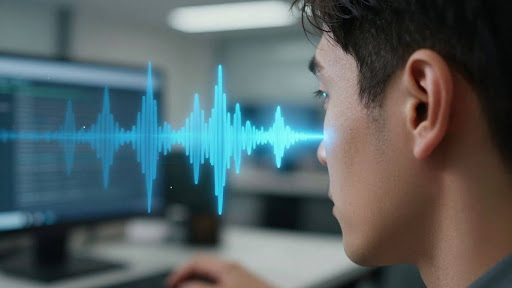
If you’ve ever tried to turn call recordings into meaningful action, you know the drill. Hours of audio, scattered notes, and maybe a few key points—but never the full story. But when AI listens to every call (and actually makes sense of it), you get way more than a chat transcript.
Here’s what this smarter approach actually lets you do:
Identifying your best-performing sales call patterns and replicating them
AI doesn’t just recognize who made the sale—it uncovers the recipe. Which phrases are working? How long should the call last? When is it best to bring up pricing, or pause and let the customer talk? By pulling trends from every call, you can spot consistent behaviors among top performers. Suddenly, training a new hire is less about guessing and way more about following proven steps.
Key Call Patterns and Their Impact
| Pattern | Average Close Rate | Used by Top Performers (%) |
| Product demo in first 10 mins | 60% | 80% |
| Open-ended questions | 65% | 75% |
| Recap of needs | 70% | 82% |
Spotting which product features generate the most customer frustration
Let’s be real: most feedback is buried in complaints, not surveys. AI can track every time a specific feature gets mentioned with a negative sentiment. If half your calls feature groans about the same update, you’ll know about it long before it turns into a flood of support tickets or lost customers.
- Pinpoint which features need improve
- Prioritize bug fixes or product changes based on actual customer pain
- Avoid repeating the same mistakes in future releases
By capturing the true source of frustration, teams can shift from reacting to complaints to actually solving root problems.
Catching at-risk customers before they churn — using emotion signals in calls
Customers almost never say “I’m leaving”—but they do drop hints. AI can pick up on frustration, disappointment, or even how long it’s been since the last positive comment. Armed with this info, your team can reach out before a customer walks, instead of after.
Here’s what you might do next:
- Flag unhappy customers automatically and escalate to a retention specialist.
- Customize follow-ups based on topic and emotional signals.
- Track which outreach methods actually win people back.
When you’re listening to every call with tools that spot patterns, real business questions get answered faster. Training gets sharper, products get better, and customer loyalty stops being a guessing game.
How AI call analytics works alongside your existing phone system
So, you’re thinking about using AI to analyze your calls, but you’re probably wondering if this means ripping out your entire phone setup. Good news: it usually doesn’t.
Does it require replacing your current telephony setup?
For the most part, no. Modern AI call analytics tools are designed to integrate with what you already have. Think of it like adding a smart layer on top of your existing system, rather than rebuilding the foundation.
- Cloud-based phone systems (VoIP): These are often the easiest to connect with. Most AI platforms can pull call recordings directly from your VoIP provider’s servers. It’s usually a matter of granting access.
- On-premise PBX systems: If you have an older, physical phone system in your office, integration might take a little more effort. Sometimes, it involves setting up a connector or forwarding recordings to the AI service. It’s less common these days, but still doable.
- Mobile calls: Analyzing calls made on mobile phones can be trickier, as they don’t always route through a central system. Some solutions offer apps or specific integrations to capture these calls.
The key is that the AI needs access to the audio recordings of your calls. How that access is granted depends on your specific phone setup.
How CRM integration turns call insights into automated follow-up actions
This is where things get really interesting. Connecting your AI call analytics to your Customer Relationship Management (CRM) system is like giving your sales and support teams superpowers.
Imagine this: An AI analyzes a sales call and flags that the customer mentioned a specific competitor multiple times, showing some hesitation. Without CRM integration, that’s just a note in a report. With integration, the AI can automatically:
- Create a follow-up task: A new task pops up in the assigned salesperson’s CRM queue to call the customer back and address their concerns about the competitor.
- Update customer records: The customer’s profile in the CRM gets updated with tags like “competitor concern” and a link to the call recording.
- Trigger automated emails: A pre-written email, personalized with details from the call, could be sent to the customer, offering more information or a special deal.
- Score leads: If the AI detects strong buying signals, the lead’s score in the CRM could be automatically increased, prioritizing it for the sales team.
This means insights aren’t just sitting in a report; they’re immediately actionable. It helps prevent deals from falling through the cracks and ensures customers get the attention they need, right when they need it. It’s about turning raw data from conversations into concrete steps that drive business forward.
Setting up AI call analytics: what your team needs to know

Getting AI call analytics up and running isn’t some massive IT project that requires ripping out your existing phone system. Most modern solutions are designed to work with what you already have. Think of it like adding a smart layer on top of your current setup. You’ll want to check with your provider, but generally, integration is pretty straightforward. It often involves a simple connection or plugin.
Here’s a quick rundown of what to expect:
- Integration with your phone system: Many platforms connect directly to your VoIP provider or PBX. Some might use a cloud-based approach that doesn’t touch your hardware at all.
- CRM connection: This is where the magic really happens. Linking your CRM means call insights can automatically trigger follow-up tasks, update customer records, or even flag accounts for managers. Imagine a sales call ending, and the CRM automatically schedules a follow-up email based on keywords discussed.
- Data privacy and security: Make sure you understand how your call data is stored and protected. Reputable providers will have clear policies on this.
- Training and adoption: Your team will need to know how to access and use the insights. This isn’t just for managers; sales reps and support agents can benefit directly from understanding their own call patterns.
The goal is to make this process as smooth as possible, turning complex data into actionable steps for your team.
It’s also worth noting that some systems offer tools to help troubleshoot call quality issues, which can be a nice bonus. For instance, you can use call analytics to diagnose problems with call quality if you’re experiencing dropped calls or poor audio. This means you’re not just getting insights into customer interactions, but also into the technical performance of your communication channels.
The setup process is generally less about technical hurdles and more about understanding how the data can be used to improve daily operations. It’s about making the technology work for your people, not the other way around.
So, What’s the Takeaway?
Look, it’s pretty clear that when you’re on the phone with a company, your conversation might not just be between you and the person you’re talking to. Whether it’s for training, quality checks, or just to have a record, calls are often being listened to or recorded. It’s not always about catching you doing something wrong, but it is happening. So, maybe next time you’re on a call, remember that your words could be heard by more ears than you think. It’s just how things are done these days, and knowing that might change how you approach those conversations.
Frequently Asked Questions
Why do companies record calls?
Companies record calls for a few main reasons. They do it to make sure their employees are following the rules and giving good service. It’s also a way to train new employees and help them get better at their jobs. Sometimes, they keep recordings just in case there’s a problem or a disagreement later on.
What does it mean if a call is ‘monitored or recorded’?
When you hear that a call might be ‘monitored or recorded,’ it means someone could be listening in live, or the conversation is being saved for later. This is often done to check the quality of service and to help train the staff. It’s a common practice in many customer service centers.
Can a supervisor listen to my call without me knowing?
Yes, sometimes supervisors or trainers might listen in on calls without telling you right away. They usually do this to help the agent or to check how the conversation is going. While it might seem a bit surprising, it’s part of how companies try to improve their service.
Do I need to worry about my privacy when calls are recorded?
It’s understandable to think about privacy. While calls are often recorded for business reasons like training and quality checks, many places have rules about how they use these recordings. The recordings are usually kept safe and are not shared widely. It’s always a good idea to be aware of the company’s privacy policy.
What is AI call analytics?
AI call analytics is like a smart assistant that listens to all your recorded calls. It can automatically figure out how customers are feeling, what they’re talking about the most, and even give you a quick summary of long conversations. This helps businesses understand their customers better without having to listen to every single call themselves.
How can AI help my business based on call recordings?
AI can help your business in many ways. It can show you what makes your best sales calls successful so you can teach others. It can also point out which parts of your products or services are causing problems for customers. Plus, it can help spot customers who might be unhappy and thinking of leaving, so you can try to help them.
Latest Post

What Our Client
After deploying the AI chat widget on our website, we experienced a 35% increase in lead conversions within the first two months. The chatbot instantly engages visitors, qualifies prospects, and routes high-intent inquiries directly to our sales team. It works 24/7, ensuring we never miss an opportunity — even outside business hours.
Marketing Director
The AI Email Responder completely transformed how we manage customer communication. It automatically categorizes, prioritizes, and responds to hundreds of daily inquiries with accurate, human-like replies. Our team now focuses on strategic growth instead of repetitive emails, and our response time has improved dramatically.
E-Commerce Founder
Onivaan’s AI solution streamlined our entire customer support process. We reduced response times by over 50% and significantly increased customer satisfaction scores. The system handles FAQs, appointment scheduling, and common troubleshooting instantly, allowing our support agents to concentrate on complex cases.